news
Chattanooga's Traffic Crisis Threatens Resident Safety and Economic Growth
Understanding the local impact of transportation issues highlights the daily realities and future implications for Chattanooga’s neighborhoods and economy.
How we reported this
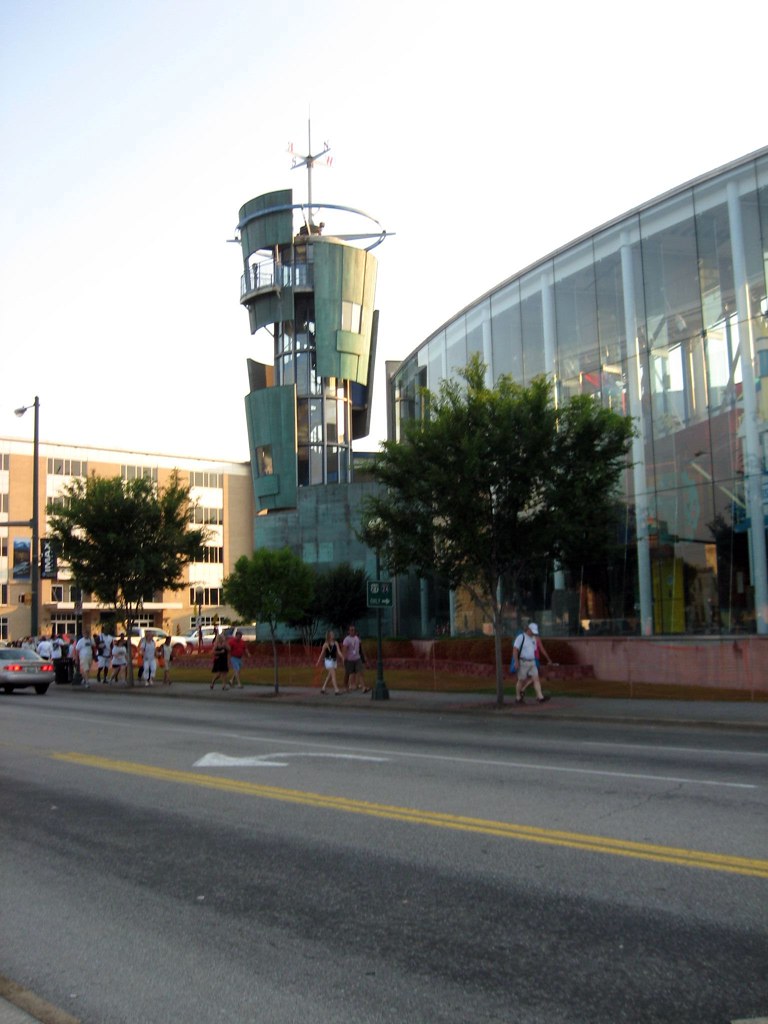
Chattanooga residents face ongoing challenges with traffic congestion and transportation infrastructure that affect daily commutes, access to services, and overall quality of life. While no recent citywide statistics have been released, locals in neighborhoods such as Northshore and East Brainerd report longer travel times and increased strain on major routes like I-75 and Hwy 153 during peak hours.
Growing Traffic Concerns Highlight Community Impact
Traffic and transport have become pressing issues due to Chattanooga's expanding population and economic growth. The city's evolving urban landscape means more vehicles on the road, which can lead to delays and increased emissions. The consequences of these pressures go beyond inconvenience; they influence residents’ ability to reach workplaces, schools, healthcare facilities, and local businesses efficiently. Delays also have a ripple effect on emergency services and public transit, key components of community safety and accessibility.
Local organizations and city planners have expressed concerns that without improvements in transportation infrastructure, residents in certain parts of Chattanooga may face disproportionate difficulties, particularly those relying on public transit or living in rapidly developing residential areas where road improvements lag behind growth.
Local Details and Tangible Effects
Areas like the Highway 58 corridor, known for its commercial and industrial activity, experience bottlenecks that not only slow daily commutes but also affect freight and delivery services essential to local businesses. Meanwhile, residents in the Signal Mountain area have pointed out that limited transit options make it difficult to reduce reliance on cars, exacerbating the strain on roadways during rush hours.
Community feedback collected at recent city council meetings has highlighted concerns over safety, particularly at key intersections such as Brainerd Road at Amnicola Highway, where increased traffic and limited pedestrian infrastructure have raised accident risks. These issues illustrate how transportation network weaknesses influence not only mobility but also public safety and social equity.
Though no specific local transportation expenditure or improvement projects from public sources were cited here, practical experiences from residents and local stakeholders underscore the importance of proactive measures to prevent conditions from worsening.
Looking Ahead: What Residents Need to Know
Efforts to address traffic and transport challenges require consistent community engagement and investment. Residents should stay informed about city transportation plans, participate in public forums, and consider local transit alternatives where feasible. Walking, carpooling, and off-peak travel can mitigate some pressure on major corridors.
The city’s continuous evaluation of infrastructure will determine the pace at which improvements appear. While budget allocations and project timelines are not detailed here, awareness and feedback remain critical to ensuring transportation strategies align with community needs and help maintain Chattanooga’s vitality.