Politics
Chattanooga Updates Environmental Regulations to Guide Development and Protect Infrastructure
New city policies aim to streamline tree replacement and enhance wastewater and air quality management for local residents.
How we reported this
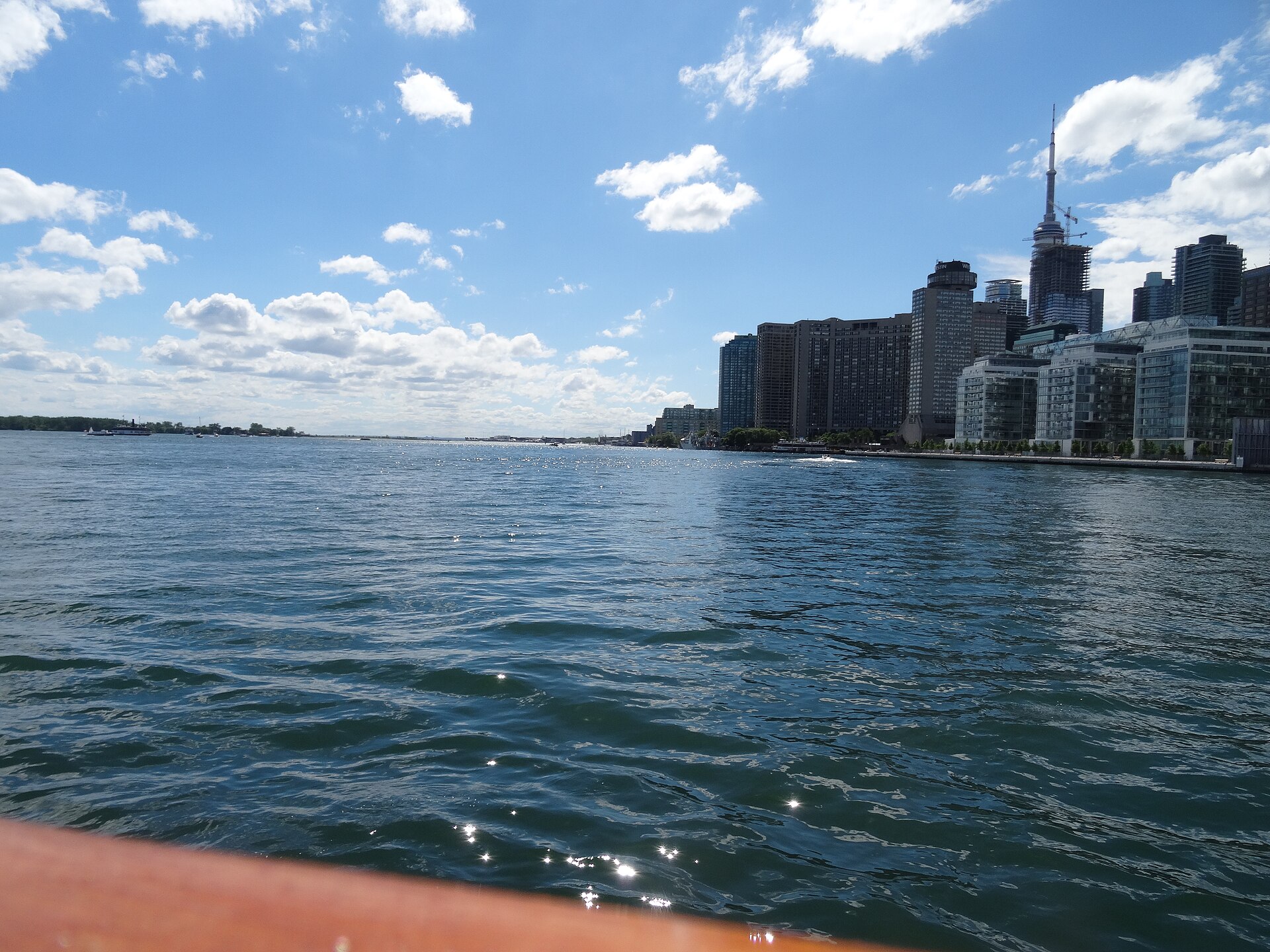
The City of Chattanooga has implemented a series of updates to local environmental regulations, shifting how the city manages its natural resources and infrastructure as of 2026. The Chattanooga City Council recently approved a comprehensive revision to the municipal tree ordinance, marking the first major update in over 35 years. This shift focuses on tree replacement protocols for new construction projects rather than placing strict restrictions on development, a change intended to balance growth with the city's green canopy requirements.
Managing Air Quality and Industrial Impact
Local industrial and commercial activities are subject to increased oversight as the city updates its standards to protect public health and the environment. The Chattanooga-Hamilton County Air Pollution Control Bureau maintains the responsibility of enforcing local air quality laws. This includes a requirement for facilities to obtain construction permits before beginning any work, ensuring that all projects align with established standards. Furthermore, a 2025 draft ordinance revision sets a primary standard for particulate matter, requiring that the three-year average of weighted annual PM2.5 concentrations does not exceed 12.0 µg/m³.
The protection of the Tennessee River remains a community priority through the work of the city’s Environmental Compliance Division. This division regulates industrial and commercial discharges into the sanitary sewer system, a measure designed to safeguard the operational performance of wastewater facilities. These regulations are vital for residents who rely on the integrity of local water infrastructure.
Superfund Cleanup and Safety Initiatives
In addition to municipal regulatory updates, federal environmental agencies are refining their approach to local land remediation. The EPA is updating the cleanup plan for the Southside Chattanooga Lead Superfund Site. This process incorporates a new 2025 Lead Directive, which lowers the target blood lead level from 10 to 5 micrograms per deciliter. This adjustment reflects a more stringent approach to long-term community health protection at the site.
These policy changes are intended to provide clearer guidance for developers and property owners in Chattanooga while maintaining air and water safety. Residents and businesses are encouraged to stay informed through official local resources as these updated compliance and permitting standards take effect.
Produced with AI assistance and reviewed against our editorial standards. Sources are linked where available. Spotted an error or need a correction? Contact corrections@dailynetwork.news.